These are the 8 new Global Geoparks named by UNESCO
UNESCO approved eight new global geoparks. This brings the total number in the Global Geoparks Network (which covers 46 countries) to 177.
According to UNESCO, a Geopark is an area of outstanding geological heritage that has been promoted for the benefit and enjoyment of the local community.
Geoparks are created by local communities to commemorate the Earth’s history and promote sustainable development in their area through geotourism, UNESCO states.
“It is much more than a label. It is a recognition of geological sites of international value,” Kristof Vandenberghe, the chief of UNESCO’s Earth Sciences and Geoparks Section, saidat a press event.
“You can’t express all things in a monetary value.” Sometimes people realize how connected they really are to their environment and are able to do so by discovering new ways.
Luxembourg and Sweden joined the Global Network with the first designation of their first geoparks.
Five Canadian geoparks are currently in existence: Stonehammer in New Brunswick; Tumbler Ridge (B.C.), Perce in Quebec; Discovery in Newfoundland; Cliffs of Fundy (Nassau); The list did not include any new Canadian sites.
The new UNESCO Global Geoparks 8 are:
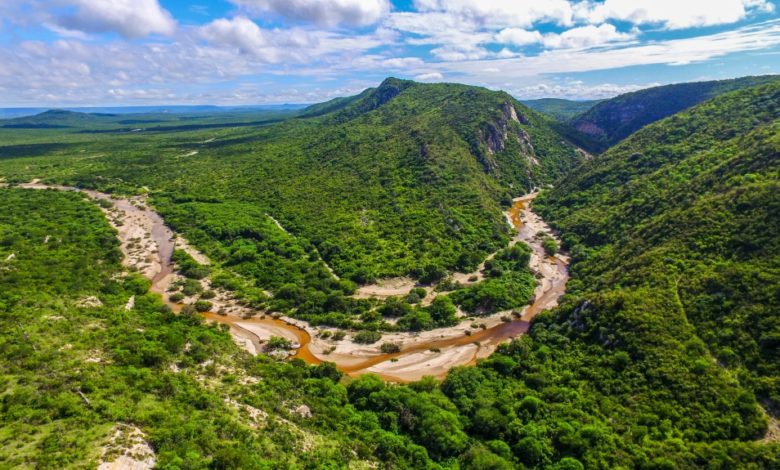
Seridó bears testimony to the last 600 million years of the Earth’s history and shelters one of South America’s largest scheelite mineralizations, UNESCO says. (Credit: Getson Luís/Seridó UNESCO Global Geopark)
Seridó UNESCO Global Geopark, Brazil
According to UNESCO, the Seridó UNESCO Global Geopark is home to more than 120,000 inhabitants, including communities like the Quilombolas “who keep alive the memory of their enslaved ancestors from Africa.”
It is a testimony to 600 million years of Earth’s history. The geopark also houses one of the largest scheelite mineralizations in South America, UNESCO states.
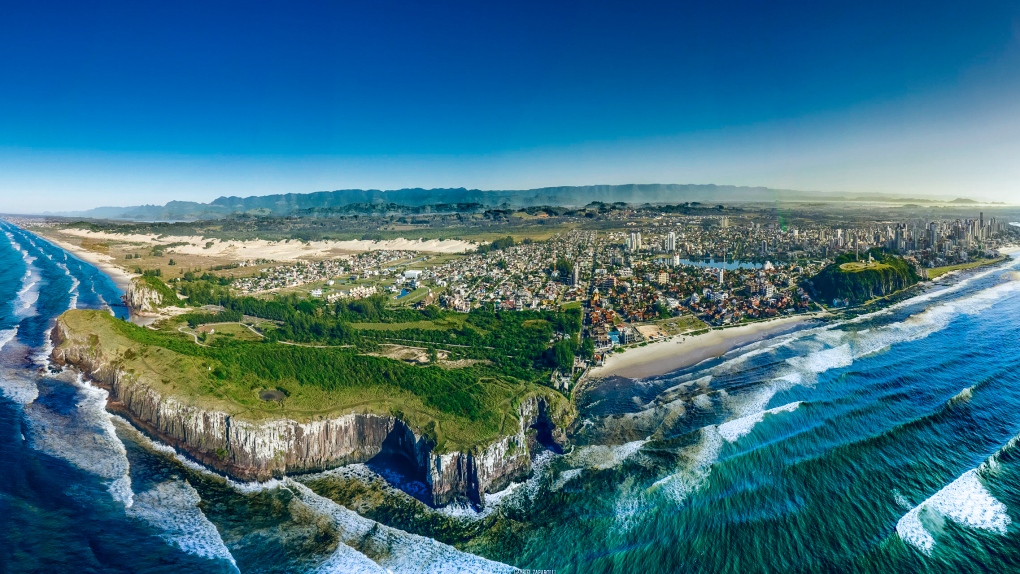 Southern Canyons Pathways is home to some of South America’s most notable canyons.(Credit: GABRIEL ZAPAROLLI: ©Gabriel Zaparolli via UNESCO)
Southern Canyons Pathways UNESCO Global Park, Brazil
Caminhos dos Cânions do Sul in southern Brazil is characterized by the Atlantic Forests, which are one of the most biodiverse ecosystems on the globe, UNESCO says.
This location is also home to some of the most notable canyons in South America.
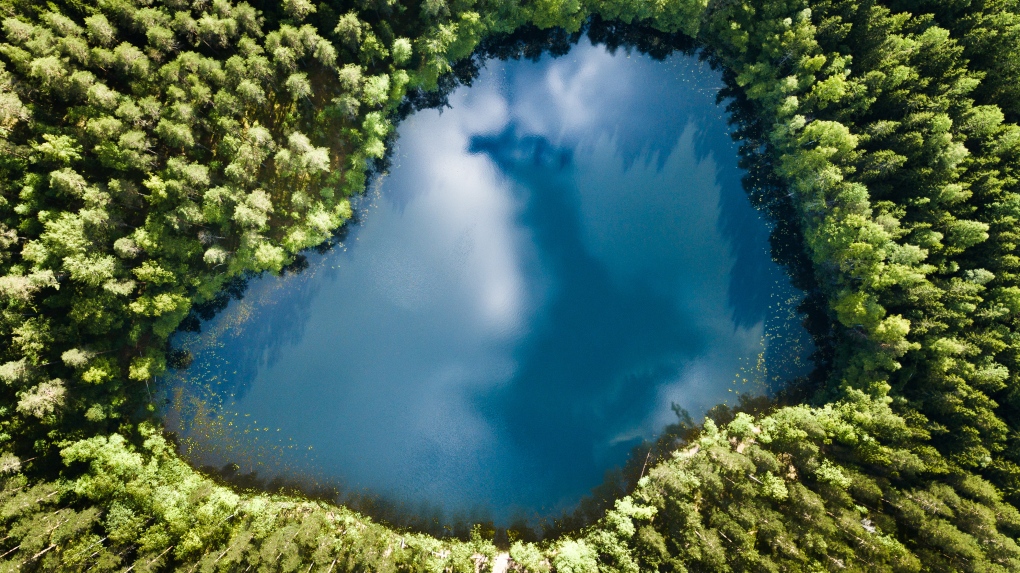 This geopark is covered by water approximately 21 percent, with trees taking up more than half. (Credit: Johannes Sipponen/Salpausselkä Geopark)
Salpausselkä UNESCO Global Geopark, Finland
The Salpausselkä UNESCO Global Geopark is located in southern Finland. According to UNESCO water occupies around 21% of the geopark while trees occupy over half.
The prominent features of the geopark include the hundreds of lakes and the unique Salpauros Ridges.
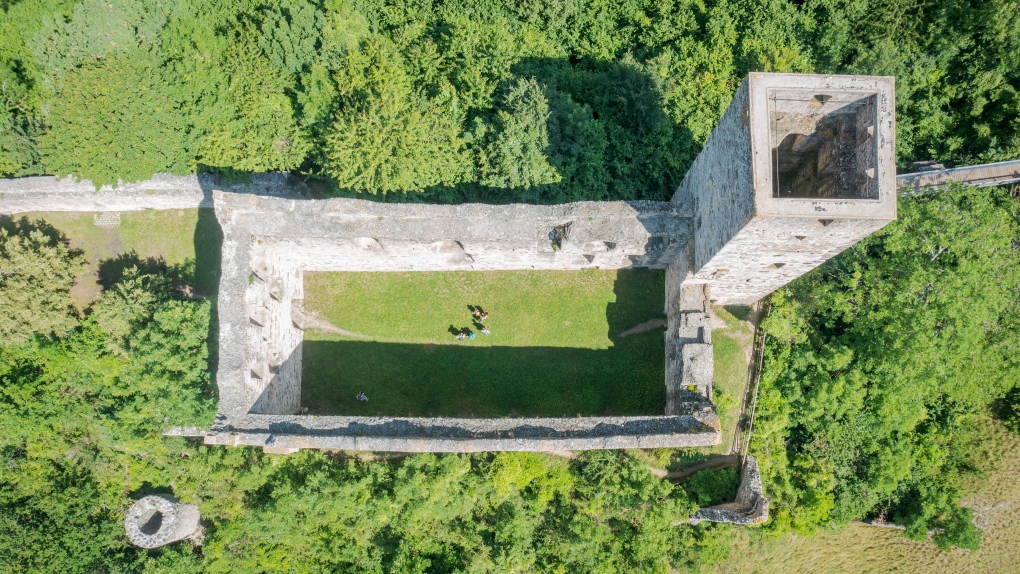 According to UNESCO, a meteorite fell onto Earth in this area around 15 million years ago. (Credit: Dietmar Denger / Geopark Ries e. V. via UNESCO)
Ries UNESCO Global Geopark Germany
The Ries UNESCO Global Geopark is mostly in Bavaria, with a tiny portion in Baden-Würtemberg. UNESCO states that a meteorite fell onto Earth in this area around 15 million years ago.
According to NASA Earth Observatory, the Nördlinger Ries impact crater is the best-preserved meteorite crater in Europe.
 This geopark is rich with sites such as caves, sinkholes, subterranean rivers, and other geological treasures that reflect a geological history of over 250 million year. (Credit to Kefalonia Ithaca via UNESCO
Kefalonia Ithaca UNESCO Global Geopark. Greece
Kefalonia – Ithaca is a Heptanese island group in Western Greece.
Geopark sites include caves, sinkholes, subterranean streams and other geological treasures that highlight a geological heritage dating back to over 250 million year.
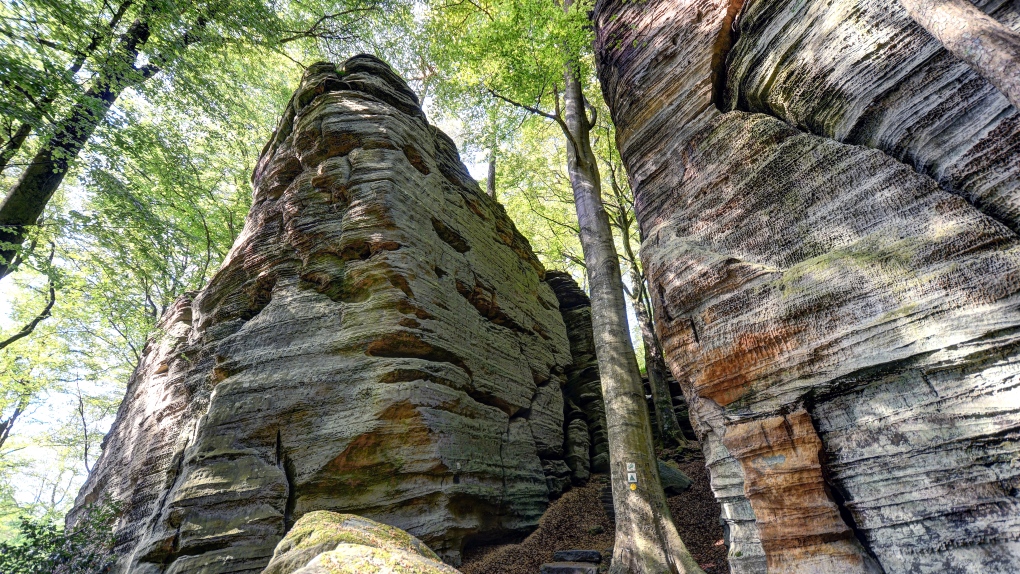 Since the late 1800s, Luxembourg’s Mllerdall UNESCO Global Geopark is a popular tourist destination. (Credit: NGPM, Uli Fielitz via UNESCO)
Mëllerdall UNESCO Global Geopark, Luxembourg
Luxembourg’s Mllerdall UNESCO Global Geopark (also known as Luxembourg’s Mllerdall UNESCO Global Geopark) is one of the most spectacular sandstone environments in Western Europe and has been a tourist spot since the late 1800s.
It is home to the Luxembourg Sandstone Formation. This Formation may measure up to 100m thick and dates back to the Lower Liassic (205-180 million years ago).
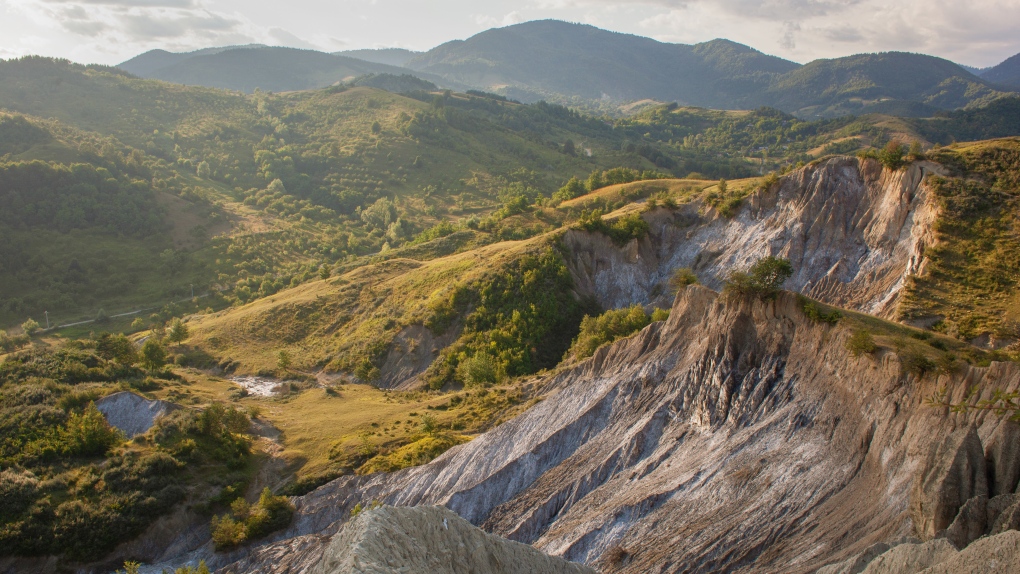 The Buzău Land UNESCO Global Geopark is home to 45,000 people in Romania’s Carpathian Bend Area. (Credit: Buzău Land NGO / Răzvan-Gabriel Popa via UNESCO)
Buzău Land UNESCO Global Geopark, Romania
The Buzău Land UNESCO Global Geopark is home to 45,000 people in Romania’s Carpathian Bend Area.
According to UNESCO’s geopark, it has 40 million years worth of geological history. It is also one of Europe’s most geodynamically dynamic places.
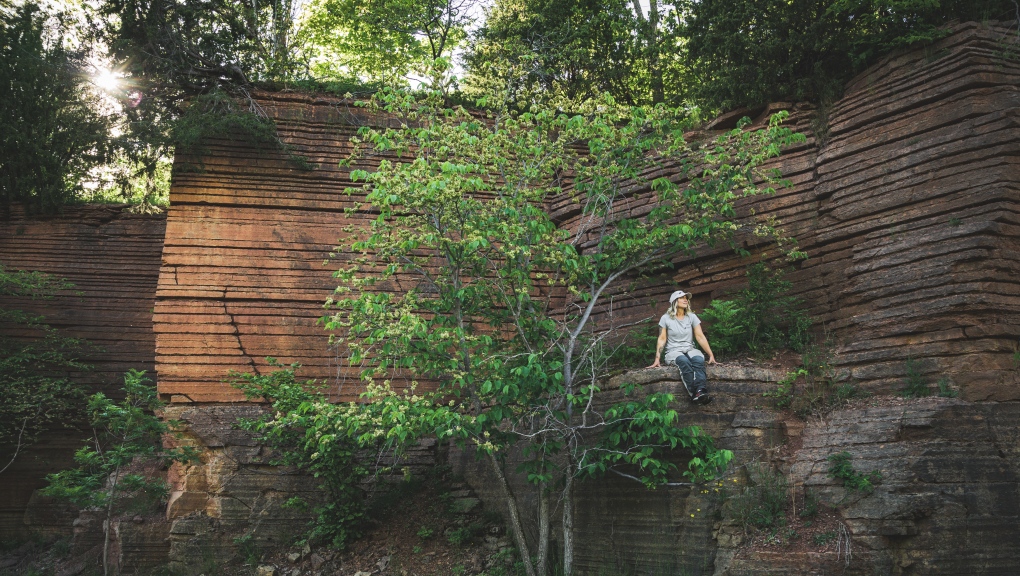 The scenery of 15 flat-topped, table-topped mountains is a highlight of the Platbergens region in West Sweden. They were formed by erosion 115,000 years ago during a period known as the last ice age. (Credit: Henrik Theodorsson via UNESCO).
Platåbergens UNESCO Global Geopark, Sweden
According to UNESCO, the Platbergens is a West Swedish area that is famous for its 15 flat-topped table mountain scenery. These were created by erosion 115,000 years ago in the last ice age.
The Västgöta Plain, with shallow lakes, hills and well-preserved cultural landscapes, is also included in the region. It is also the location of the first Swedish stone church, which was built in 11th-century by Christian Vikings.
UNESCO noted in a release, that owing to COVID-19, they couldn’t evaluate new applications from Asia, Africa or the Arab region, but several projects for geoparks are underway in these parts of the world.
While the UNESCO World Heritage Site title is more common and covers landmarks that are legally protected under international conventions, Global Geopark was established in 2015.
SourceCTV