BP profit more than doubles on ‘exceptional’ oil trading
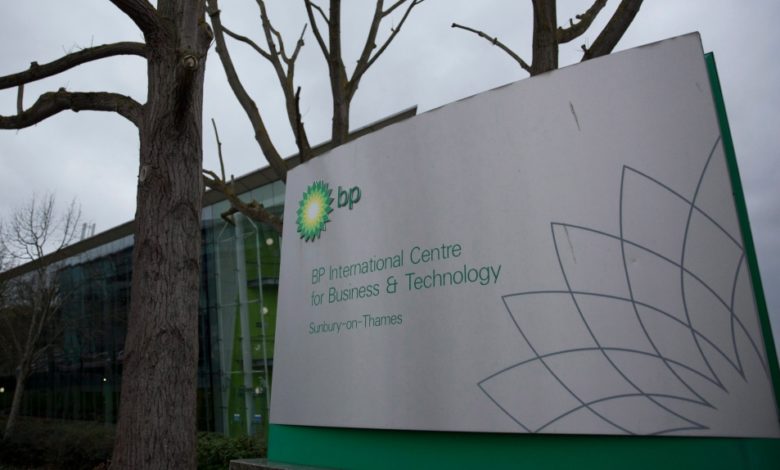
Despite taking a more than US$24billion hit from Russia’s exit, BP reported a significant increase in profits for the first quarter.
Energy giant based in the United Kingdom saidTuesday’s announcement by the company showed that its underlying profit rose to US$6.2 Billion from US$2.6 Billion in the same period last fiscal year. This was due to “exceptional oil-and gas trading” conditions.
Prices for oil have risen by almost 40% since 2022. Brent crude is trading at well over US$100 per barrel. Natural gas prices have also risen. These gains were driven by the fear of a global supply shock after Russia’s invasion in Ukraine.
The United States, Canada and Australia have all banned Russian oil imports as a response to the war. The European Union may soon follow suit. EU countries have drastically reduced their purchases of Russian natural gasoline, while Moscow has already stopped supplies to Poland or Bulgaria.
Three days after President Vladimir Putin had sent his troops across the border into Ukraine on February 27, BP was launched. saidIt would sell its nearly 20% stake in Russian state oil giant Rosneft and end three joint ventures it had with the country’s largest oil producer. It will be closing its three joint ventures with the country’s largest oil producer on Tuesday saidThese decisions resulted in an after-tax cost of US$24.4 trillion and a loss US$20.4 billion.
CEO Bernard Looney said that BP has remained focused on supplying the reliable energy its customers require in a quarter dominated both by the tragedy in Ukraine and volatile energy markets. saidIn a statement. “But it did not change our strategy, our financial framework, or our expectations regarding shareholder distributions,” he said.
The company is offering a huge dividend to its shareholders. BP announced a 1.Q dividend of 5.46c per share. This is an increase from the 5.25cs last year. said it would use spend US$2.5 billion — or 60% of its surplus cashflow — buying back shares in the next three months.
London trading saw shares of BP rise 2.5%, bringing the stock’s year-to-date gain to almost 22%.
Opposition lawmakers saidTheir record earnings have prompted the U.K government to impose an extra windfall tax on profits from North Sea oil and gas companies.
They are asking for the proceeds to be used to fund additional relief for the households that are struggling to pay fuel and heating costs in the worst economic crisis in decades.
Keir Starmer, leader in opposition Labour Party, stated to the BBC that “with so many people struggling with their energy bills”, we should impose a windfall tax for oil and gas companies operating in the North Sea who have made more profits than they expected.” “Have a windfall tax on that and use that to help people with their energy bills, up to £600 for those who need it most.”
Boris Johnson, Prime Minister, has not responded to those calls. He said that his government wants more companies to invest in energy security, especially from renewable sources, but also oil, gas, and other forms of energy. Rishi Sunak (his finance minister) hinted last week at a possible change in government policy.
Sunak: “I don’t want the investment required to exploit these resources to be delayed.” saidMumsnet, a website that helps parents, interviewed me in an interview. “But, what I would say to you is that if that type of investment has not been made and if companies have not committed to making those investments in our country and our energy security, then that’s something I’d look into. There is no way to deny these matters.
BP said it expected to pay up to £1 billion (US$1.2 billion) in tax on profits this year from its operations in the North Sea, and is planning to invest £18 billion ($22.5 billion) in the United Kingdom by 2030. This includes investments in the North Sea and offshore wind, electric vehicle charging network, hydrogen production, and carbon capture and stockpiling.
SourceCTV