Tokyo experiences worst June heat wave since 1875
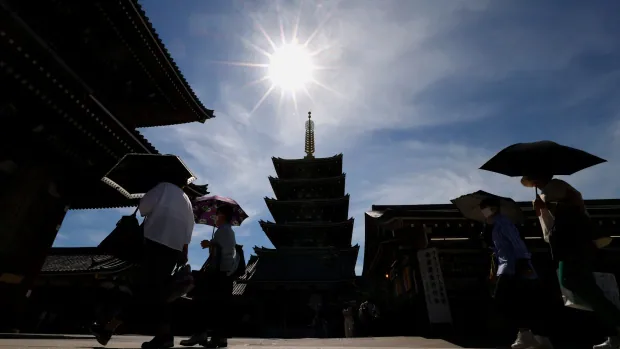

Japan was sweltering in scorching heat for the fourth consecutive day Tuesday. The capital’s heat record for June was nearly 150 years old. Authorities warned that power supply is still tight enough to raise concerns about possible cuts.
The heatwave comes less than two weeks before a national election in which prices, including the cost of electricity, are among key issues picked by voters in opinion polls that show the government’s approval rating slipping — with politicians, including Tokyo’s governor, urging power price cuts.
A high of 34 C was predicted for Tokyo on Tuesday, after three successive days of temperatures topping 35 C — the worst streak of hot weather in June since records began in 1875.
Cases of hospitalization from heatstroke rose early in the day, with many in the capital continue to flout government advice by continuing to wear face masks outdoors — a legacy of more than two years of the COVID-19 pandemic.
Authorities asked Tokyo residents to conserve electricity to avoid a power cut for the second day. The heat wave comes less than two weeks before a national election in which surging prices — including electricity — are rated the top concern for voters in opinion polls that show the government’s approval rating slipping.
As of 9:15 a.m. local, 13 people were being treated for heatstroke, Fuji News Network reported. said. Media reports that at most two people died from heatstroke. saidAuthorities have been forced to moderate their calls for energy saving.
“Apparently there are some elderly people who have turned off their air conditioners because we are asking people to save energy, but please — it’s this hot — don’t hesitate about cooling off,” trade and industry minister Koichi Hagiuda told a news conference.
Power concerns
The reserve ratio for Tokyo during the evening (4:30 p.m. to 5:00 p.m.) on Tuesday was expected to fall below five per cent as of Monday evening, close to the minimum of three per cent that ensures stable supply, in Tokyo and eight surrounding prefectures. Reserve capacity below three per cent risks power shortages and blackouts.
On Tuesday, Ministry of Economy, Trade and Industry saidAlthough predictions were slightly better, consumers should still be able to save on power.
Monday’s warning prompted government offices, including METI, to turn off some lights in the afternoon and evening, with METI haling use of 25 per cent of elevators in its building.
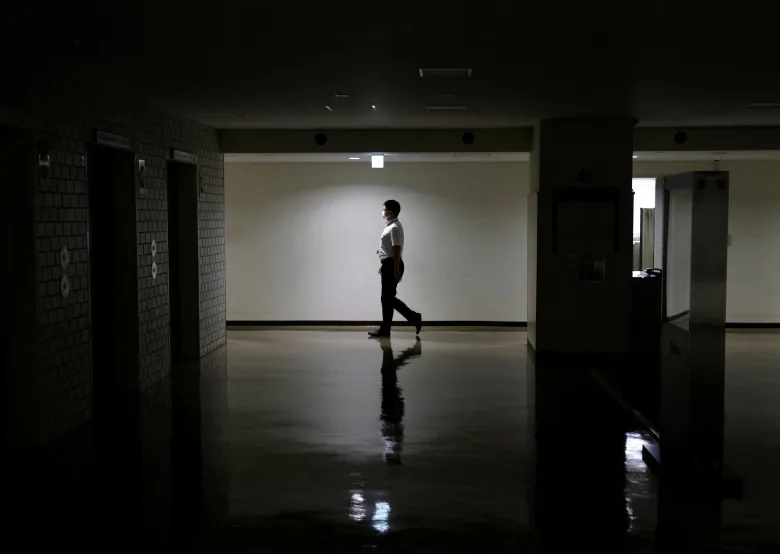
Similar steps were taken by electronics stores, which shut down televisions and other goods from sales floors to attract buyers. Some Tokyo residents also took similar steps. saidOn social media, they said that they had turned off all appliances not in use.
But politicians demanded more.
Tokyo governor Yuriko Koike was present at a meeting of shareholders for Tokyo Electric Power Co. (TEPCO). On Tuesday, she later said that she had called to reduce prices, Fuji News Network reported. TEPCO supplies power to the greater Tokyo area.
While Kishida is expected well in the July 10th election for the upper chamber of parliament, his ruling party faces headwinds from rising costs, exacerbated by a decline in the value of Japan’s yen which makes imports more expensive.
The Kishida cabinet’s approval came to 50 per cent in a voter survey conducted by public broadcaster NHK on June 24–26, down from 55 per cent last week.
Natsuo Yamaguchi is the head of the coalition government’s junior partner. He warned Monday in a campaign speech about how citizens are at risk of heatstroke if they try to save money on power.
According to Kyodo news agency, he stated that “What I really want is for the government tell power companies to reduce costs.”
“I’d like to contact the prime minister, who’s currently visiting Europe,” he added — a reference to Kishida’s attendance at the G7 summit, meaning the premier is out of the country during an election campaign period, a significant departure from usual practice.
Source: CBC News